Fat Tax – what do UK dietitians think?

Published on the 16th May, 2012 by Azmina

We’ve been here before; I remember being interviewed about this by the BBC during last year’s National Obesity Forum conference. This time new research from Oxford has hit the headlines. There have been reports in the press today about how a “fat tax” applied to unhealthy foods could help combat obesity.

Oliver Mytton and colleagues at the University of Oxford examined the evidence on the health effects of food taxes. It’s suggested that a tax on unhealthy food could help improve health, but the tax would need to be fairly heavy to make a difference – up to 20%. Ideally, a move to make fruit and veg cheaper would have to accompany such tax.

Instinctively I feel opposed to this, because I believe that people should be able to make an informed choice based on clear nutrition messages. It penalises people who are not over-weight and many might suggest it undermines our intelligence. It hits poorest families the most and it still doesn’t give them the tools to learn how to eat well. And will it work? Have rising fuel prices made us fill up less at the petrol pump?

On the other hand, I’m constantly reminded that people are still confused about seemingly simple things like what counts as a portion of fruit or veg. Food labels have gone through so many improvements, yet I’m not convinced that the average person finds it easy to decipher them.

Some food manufacturers are doing a great job at trying to create tasty foods that are lower in fat, sugar, salt and so on. Yet the harsh reality is that we are getting heavier, and putting on weight particularly around your middle can have serious health consequences in terms of conditions like type 2 diabetes and cardiovascular disease.

I decided to have a bit of twitter chat on the subject and here are some of the comments debated by fellow dietitians.


Is it ok to snack?

Published on the 16th Mar, 2012 by Azmina

Snacking gets a lot of bad publicity – linked to weight gain and unhealthy habits. And it’s true that if you choose lots of unhealthy options, they won’t do your waistline any good. But I am someone who doesn’t like to deny people foods they enjoy. Eating well isn’t a life sentence; it’s about allowing yourself your favourite foods whilst being conscious of your choices.

So, are you a snacker? If so, examine what you’re reaching for. Here are my three top tips:

  1. Have healthy snacks accessible and get rid of those that don’t help you reach you healthy lifestyle goals.
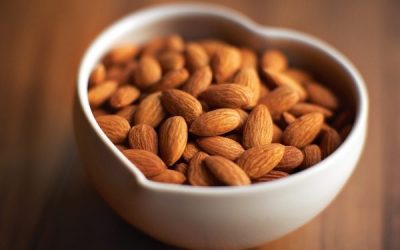
  2. Stock up on lower calorie, lower fat versions of your favourite treats. Choose crisps that aren’t fried (e.g. popped crisps), popcorn (make your own so you can control the amount of salt or sugar), nuts that aren’t honey coated (e.g. mixed nuts and raisins), bites that fill you up (e.g. soya nuts), fridge goodies (e.g. olives, gherkins, cherry tomatoes).
  3. If you are hooked on choc chip cookies or the like, allow yourself to buy them but store them creatively. Put a couple in a separate container and allow yourself no more than two at one sitting (ideally not every day). That will help reduce the temptation to finish off the whole pack at once!

And think about eating more consciously. Engaging your brain means you’ll be more aware of what you’re snacking on, and how much you’re munching through. It also helps you to be aware of the fullness signals from your stomach, which in turn help you to stop overdoing it!

So, enjoy every mouthful and get rid of the guilt by making choices that nourish you but still taste yummy!

Red meat and risk of death – what’s all the fuss about?

Published on the 13th Mar, 2012 by Azmina

So, there’s been huge media frenzy over a large Harvard study just published in the journal ‘Archives of Internal Medicine’. News reports today talk about how red meat substantially increases the risk of deaths from heart disease and cancer. Let’s look at this in context….

What did the research find?

The Science: Red meat consumption was associated with an increased risk of cardiovascular disease and cancer mortality. Replacing red meat with other healthy protein sources was associated with a lower mortality risk. And in plain English: basically, the authors concluded that you are less likely to die from these conditions if you eat less red and processed meats.

Does this mean we should say ‘no’ to red meat?

No! It’s about putting the results of this long-term study into context. If you’re someone who frequently eats steak, pork chops, burgers and pies, it would do you good to make some changes. If you’re someone who eats lean red meat a couple of times a week, with other protein sources like fish, chicken, lentils or beans on other days, I would say you’re spot on.

Lean red meat is an important source of iron, zinc and vitamin D and has a role in a healthy, balanced diet. So you don’t need to cut it out of your diet completely.

What about hot dogs and bacon?

Processed meat can be high in harmful saturated fat, sodium, nitrites, and certain carcinogens (cancer-provoking substances) that are formed during the processing of meats. These have been linked to increased risk of chronic diseases, such as cardiovascular disease and cancer. The World Cancer Research Fund recommends we avoid processed meats.

What does this mean for you?

It’s all about balance and variety. We eat for pleasure and healthy eating is not about denying yourself your favourite foods. Enjoy lean red meat as part of a balanced, varied diet. Choose lean cuts and grill, roast without added fat, or barbeque. The amount you eat should be around the size of your palm, and serve it with lots of veg.

Choose fish, chicken, turkey, or beans and lentils as your protein source several times a week. The research showed that nuts reduce death risks for heart disease by about a fifth. Choose a handful of unsalted nuts daily – even peanut butter on your toast in the morning is a good idea (instead of the peanuts, not aswell as them!).

Getting the balance right

  • Enjoy lean red meat in moderate amounts as part of a balanced and varied diet and choose fish, chicken, turkey and veggie proteins like beans, nuts, soya and lentils often. Cut down on processed meats.
  • Eat more fruit and veg.
  • Choose whole grain carbs like oats, whole grain breads and breakfast cereals instead of low fibre types.
  • Eat more beans, lentils and fish especially oily fish.
  • Go low on unhealthy carbs like sugar-rich foods and drinks, pies and pastries.
  • Choose unsaturated fats instead of saturated fats – e.g. choose rapeseed oil, olive oil, corn oil, sunflower oil, avocado, nuts, oily fish.
  • Watch your portion size, eat consciously, have variety and enjoy every mouthful!

Science bods can read the study here.


Are you an emotional eater?

Published on the 27th Feb, 2012 by Azmina

Which fits for you:

  • The only thing I can’t resist is temptation! Food is a comfort to me.
  • Some days, when I’m feeling a tad under the weather or down in the dumps, I reach for the unhealthy snacks.
  • Mostly, I eat when I’m hungry.

    Striking up a healthy and balanced relationship with food is a positive thing. To eat consciously and enjoy each mouthful is an art in itself and the occasional overindulgence is fine too. Mainly, get to know your body so that you stop when you feel full.

    (more…)

    Are you getting your whole grains?

    Published on the 18th Sep, 2011 by Azmina

    The whole is greater than the sum of its parts

    September is whole grain month in the USA. So I thought I would give you the lowdown on what a whole grain is and how to get more whole grains onto your plate. You can also check out my easy picture swaps below.  (more…)

    Ten Craving Curbers

    Published on the 31st Jul, 2011 by Azmina

    1. Make a refreshing drink with crushed ice, sugar-free cordial and sparkling water.

    2. Munch on some fresh dates. They’re much lower in calories than dried dates and the extra chewing means extra mouth-feel and satisfaction. (more…)

    To carb or not to carb?

    Published on the 20th Jun, 2011 by Azmina

    Are carbs good, bad or ugly? With all the confusing messages out there, it’s sometimes tough to know whether to ditch the carbs or to enjoy them with a clear conscience.

    My view is don’t be tempted to go low carb; there’s really no need for you to do this for weight loss and it could be potentially harmful. If you cut out carbs, you could be missing out on a whole range of nutrients. And what do you replace the carbs with? Often low carbing means high fatting  - and eating more fat, especially saturated fat isn’t conducive to healthy eating. Low carb diets often also encourage you to avoid fruits and veg (or at least cut down on them) and this goes against a whole host of studies that support the benefits of fruit and veg for disease prevention. (more…)

    Cheat’s Whole lentil and coriander soup (taken from the 10-day Gi diet)

    Published on the 2nd Jun, 2011 by Azmina

    This recipe uses canned green lentils as a speedy shortcut for a filling soup.

    Serves one

    Spray oil
    1/2 onion, finely chopped
    1 teaspoon crushed garlic
    100 mls sieved tomatoes
    Quarter of a pint vegetable stock, made using fresh vegetable stock, vegetable bullion or half a stock cube.
    Half a can of green lentils, drained
    Generous handful of coriander leaves and stems, chopped

    1. Heat a non-stick pan, spray on the oil and add the onions and garlic.  Stir-fry for about 5-8 minutes till soft.
    2. Add the tomatoes, stock and lentils, and cook for a few minutes to heat through.
    3. Stir in the coriander and serve hot.

    Nutrition Nuggets

    Lentils are a fantastic low GI carbohydrate.  But getting the pressure cooker out to cook them isn’t always very enticing. Using canned lentils as in this recipe is healthy and less time-consuming. Add a drizzle of lemon juice or a few drops of chilli sauce if you want to give this dish some extra zing.

    (c) The 10-day Gi Diet by Azmina Govindji & Nina Puddefoot, 2005

    My 10 shopping list essentials

    Published on the 30th May, 2011 by Azmina

    1. Semi-skimmed milk
    2. Fresh fruit
    3. Eggs (any, so long as they have the Lion quality brand)
    4. Vegetables, frozen or fresh
    5. High-fibre cereals e.g. granola (I mix it with some bran cereal & I don’t worry too much about sugar as it helps me have milk which I normally hate)
    6. Lower GI bread, e.g. granary or multi-grain
    7. Reduced fat humus (I use it for dips, on toast and on top of spray-fried egg!)
    8. Bulgur wheat (here’s a fab recipe)
    9. Canned beans (great for salads , speedy soups and instant curries)
    10. Pasta

    Ten health boosters

    Published on the 29th May, 2011 by Azmina

    1. Lacking in concentration?  Try starting your day with a high bran cereal mixed with a handful of raisins.  The B vitamins are crucial for transmitting nerve signals.
    2. Trans fats are often found in processed foods like take-aways, cakes, pies and biscuits.  These act in your body just like saturated fats, which can raise your blood cholesterol and can clog your artery walls, making you more prone to heart problems.
    3. More than 70% of the salt you eat is added to your food by the manufacturer, often without you even knowing it. So worry less about salt you add at hoem and more about salt the food industry adds.
    4. Men – Watch that waist.  Men typically carry more fat around their belly.  Note that a waist measurement of more than 37 inches (and 36 inches for Asian men) increases your risk of heart disease.  If your waist measurement is as high as 40 inches, it really is time to take some serious massive action.
    5. Sweet potatoes are an excellent source of the anti oxidant beta-carotene, which the body can convert into vitamin A.  This vitamin is essential for healthy skin and night vision.
    6. The GiP diet encourages a variety of foods from all the food groups.  If followed, it should contain enough nutrients to meet your daily needs.  However, dieters often prefer to take a multivitamin and mineral supplement as well.  If you do so, ensure that you choose one that has no more than 100% recommended daily amount (RDA) of nutrients.
    7. The Inuit population has a high animal fat diet, yet they seem to be protected against heart disease.  Their fat comes primarily from cold water of fish, rich in omega-3 fatty acids.
    8. Suffer from fatigue?  This could be a sign of low iron levels.  Look at labels and select those foods that have been enriched with the iron, like breakfast cereals.  Red meat, dark poultry meat, dark green leafy vegetables and lentils, and dried apricots are all good iron providers.
    9. Kids behaving badly?  Choosing healthy slow-release carbs in meals and snacks for children can help to improve their concentration as well as sustain steady energy levels.
    10. Losing your marbles?  There is good research to show that as we get older, Omega 3 fats may play an important role in memory.